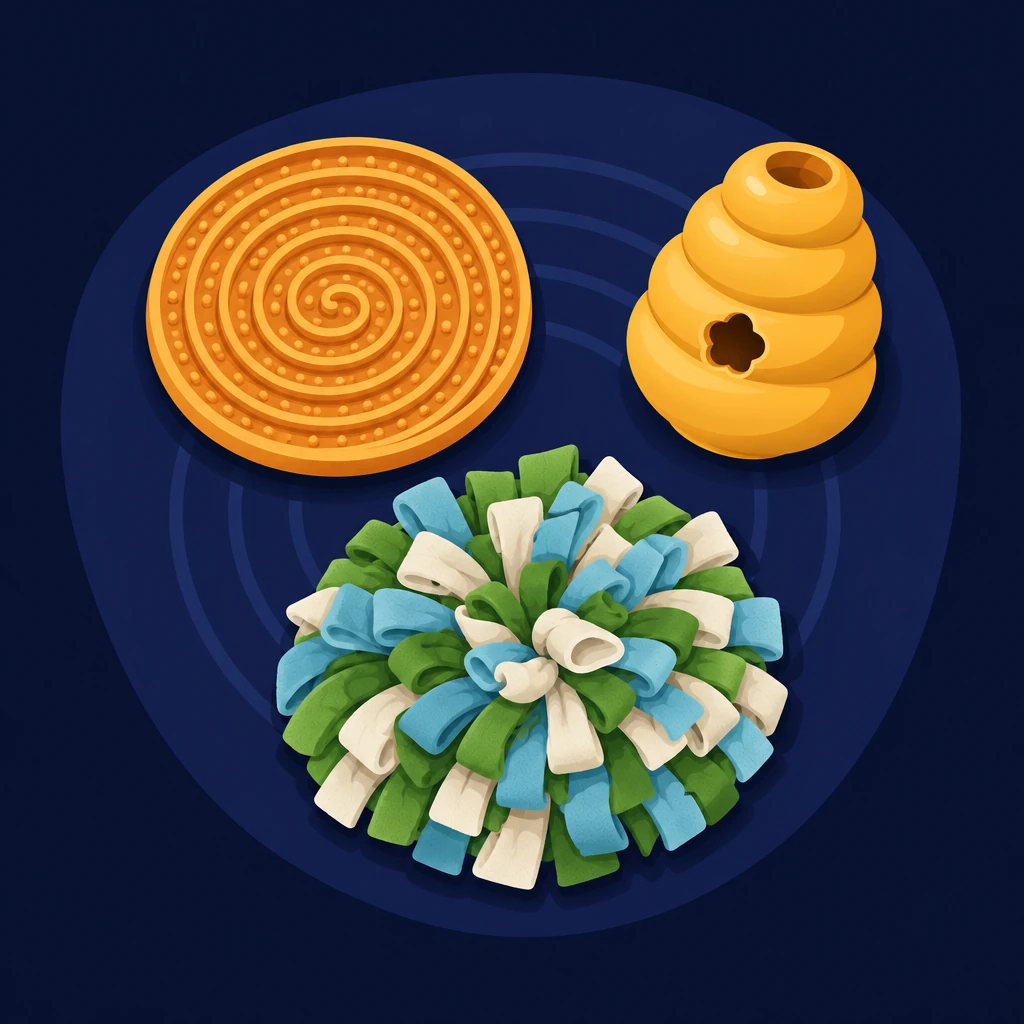
Lick mats
Spread food on the mat, or fill a rubber toy and chill it.
Everyday essentials and natural treats
Natural dog treats and everyday dog supplies at our independent pet shop near Bury St Edmunds, open seven days. Here's how treats, chews, toys and walking gear fit around your dog's dinner.
Fornham All Saints, just off the A14 near Bury St Edmunds. Open seven days.
In the shop
All in the shop at Fornham All Saints. Tell us your dog's age and size and we'll point you to what suits.
Our dog food and treats include CarniLove, Nutriment, Naked Dog Food, JR Pet Products and Norfolk Pastures.



At a glance
Everyday dog supplies in Bury St Edmunds start with dinner, and dinner changes as a dog grows. Treat these as general guides, and let your vet tailor them to your dog.
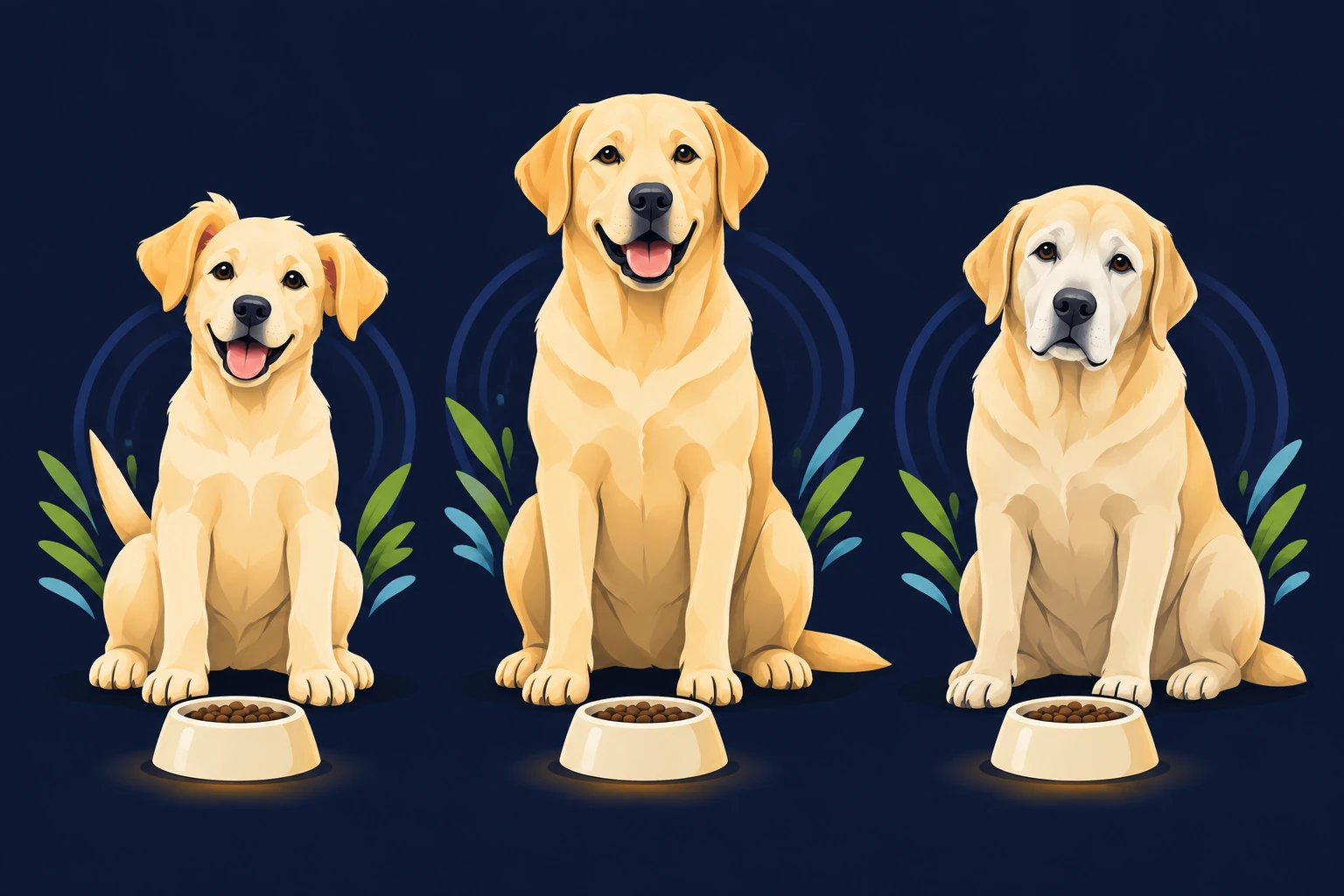
| Life stage | Meals a day | What to feed | Worth knowing |
|---|---|---|---|
| Puppy | Three or four small meals, dropping to two by about six months | A complete puppy food until around a year old, or as your vet advises | Change foods gradually, over a week or two |
| Adult | Normally two | A complete adult food, with portions checked against the packet guide | Extra weight raises the risk of arthritis, diabetes and heart disease |
| Older dog | Normally two | A senior food may suit: easy to digest, with joint support | Mention any change in weight or appetite to your vet |
Look for the word complete on the label. It means the food has all the nutrients your dog needs, in the right amounts. Fresh water should always be available.
The basics
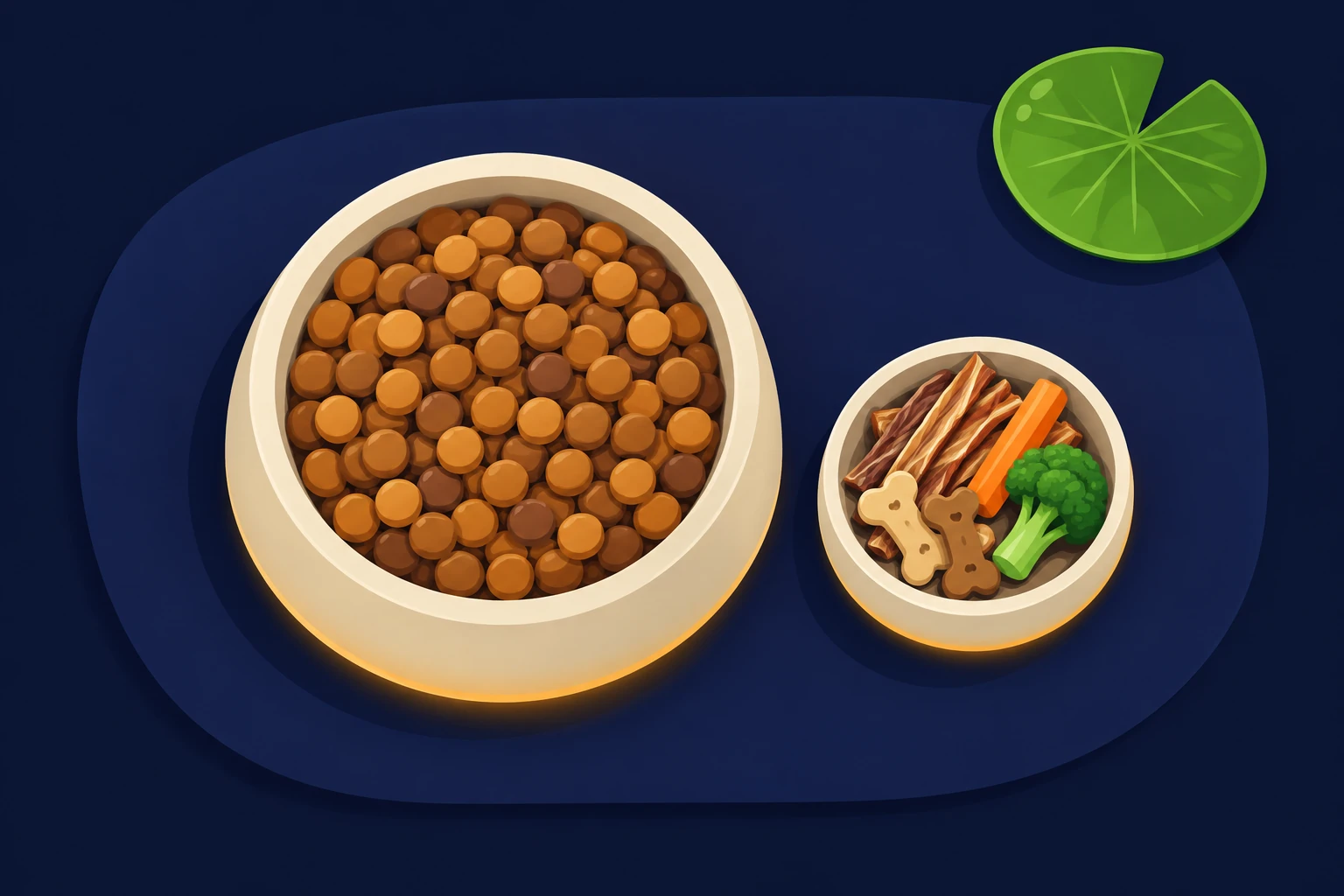
Natural dog treats are part of our range, and they're a good way to say well done. They're not a second dinner. PDSA suggests setting aside 10% of your dog's daily food as the treat allowance and reducing their meals by the same amount, so the total stays the same.
Treats don't have to be food. Play, a new toy or a good fuss all count. If you do want food, PDSA suggests steamed chicken, dog-safe fruit and veg, or frozen broccoli. Read the label, choose a size that suits your dog, and remember that a tiny treat for us is a lot of calories for them.
Some foods are never treats. Chocolate, grapes, raisins, sultanas, currants, onions, garlic, leeks, chives, macadamia nuts, avocado and xylitol (a sweetener in some sugar-free products) can all harm dogs. If your dog eats any of them, call your vet straight away.
Stock changes, so call or pop in to see what's in. If we haven't got what you're after, ask. We can order it in, take your number and call you when it's here, or suggest something similar.
The range
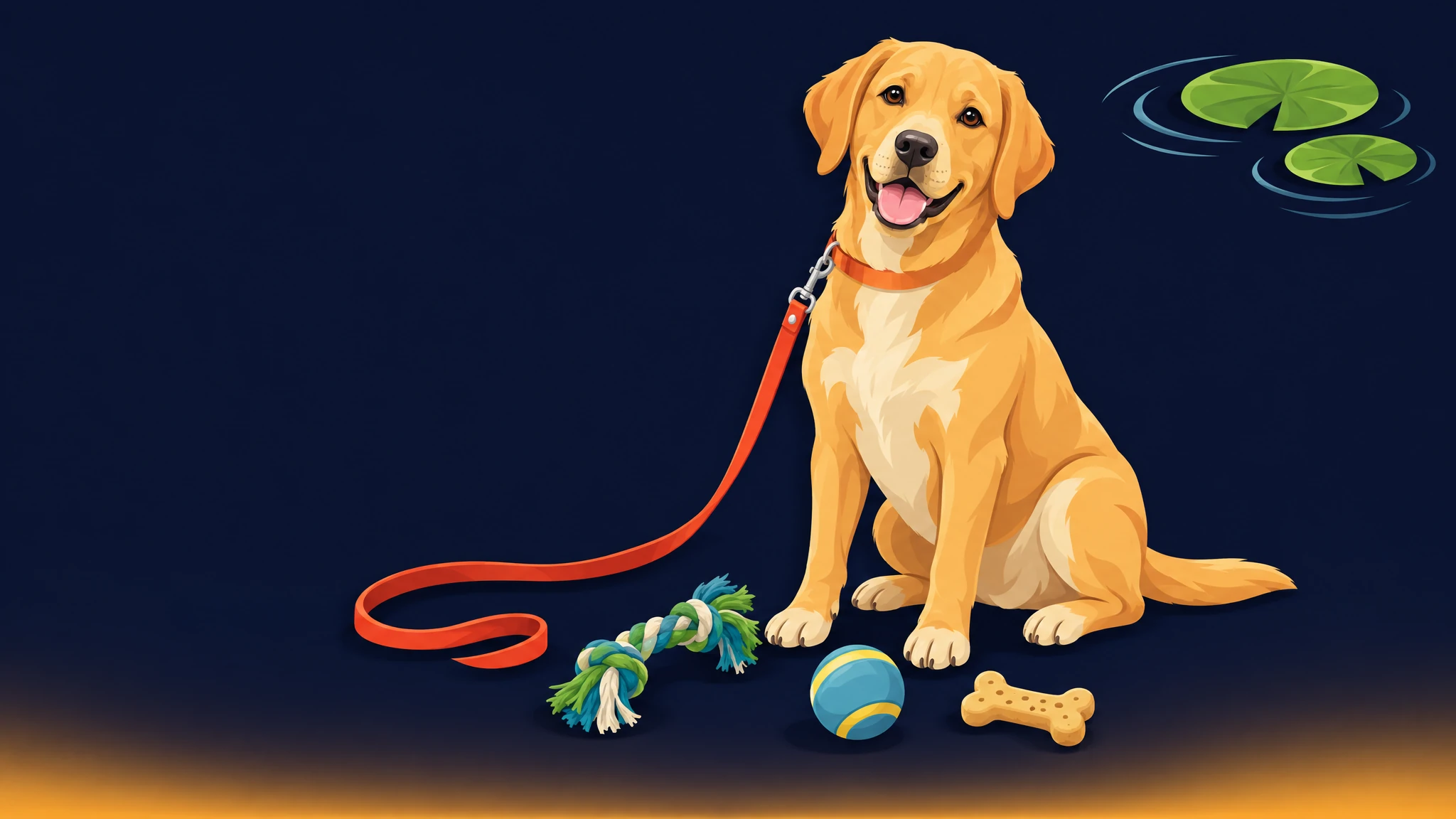
A bored dog will find their own entertainment, and it usually involves your shoes. Try these instead.
Spread food on the mat, or fill a rubber toy and chill it.
They make dinner last longer.
Scatter kibble indoors or in the garden and let your dog hunt for it.
Hide food in the folds of the fabric.
Scrunched paper in a cardboard box, with kibble hidden inside. Supervise any homemade toy.
Stay with your dog while they chew, and ask your vet before offering a new type. Bones can cause constipation, block the throat or gut, or even fatally pierce the gut.
Food-based enrichment counts towards the daily allowance, so take it out of the evening meal.
Step by step
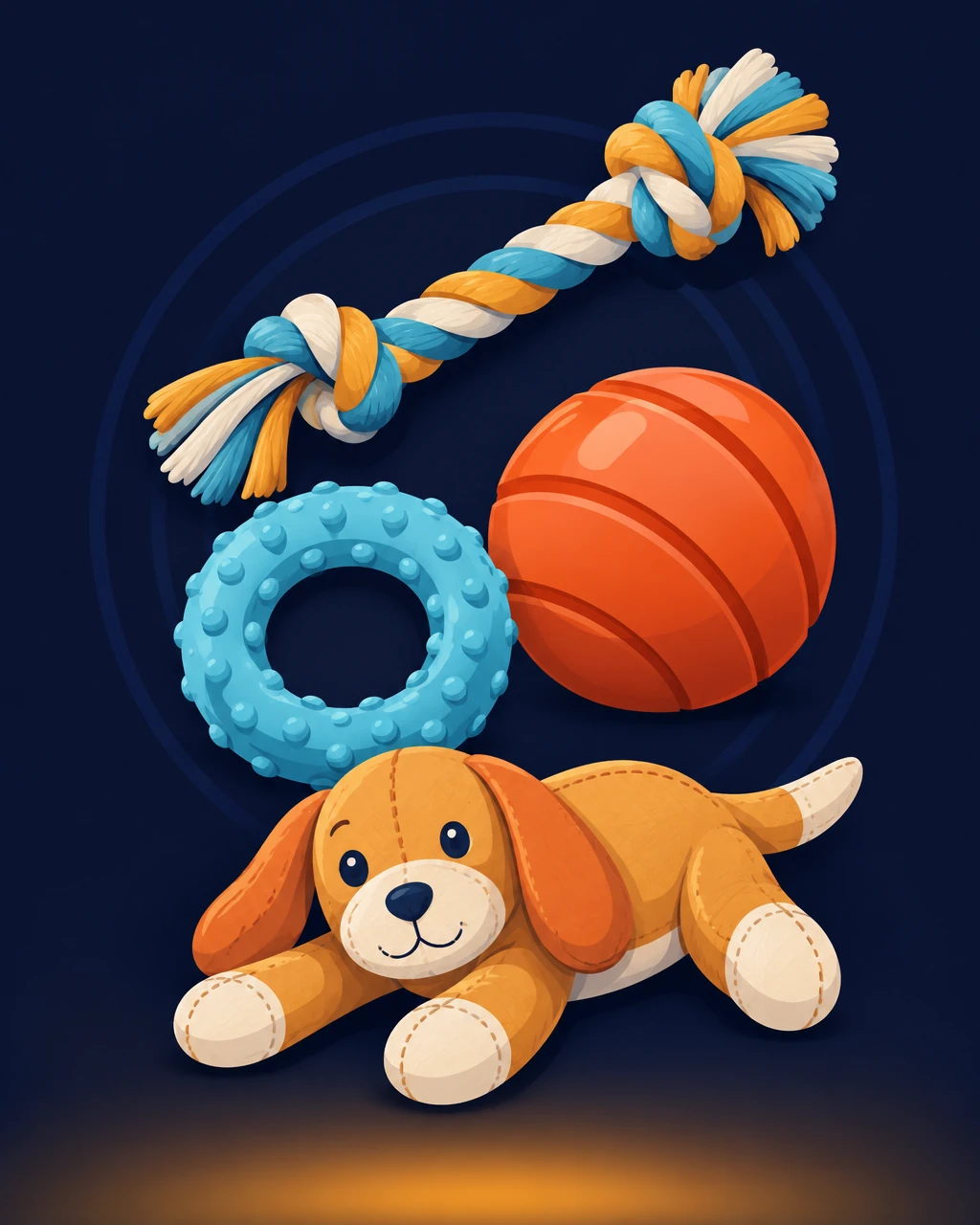
A toy should be too big for your dog to swallow whole or choke on.
Other objects are less likely to survive rough play and can be dangerous.
Bin any toy with parts that could be bitten off, chewed or swallowed.
Only leave your dog alone with toys they can't destroy or swallow.
They can splinter, lodge in the throat or impale a dog.
Swapping toys in and out keeps things interesting.
Good to know
Most dogs need at least one or two walks a day, PDSA says, and how much more depends on breed, age and health.
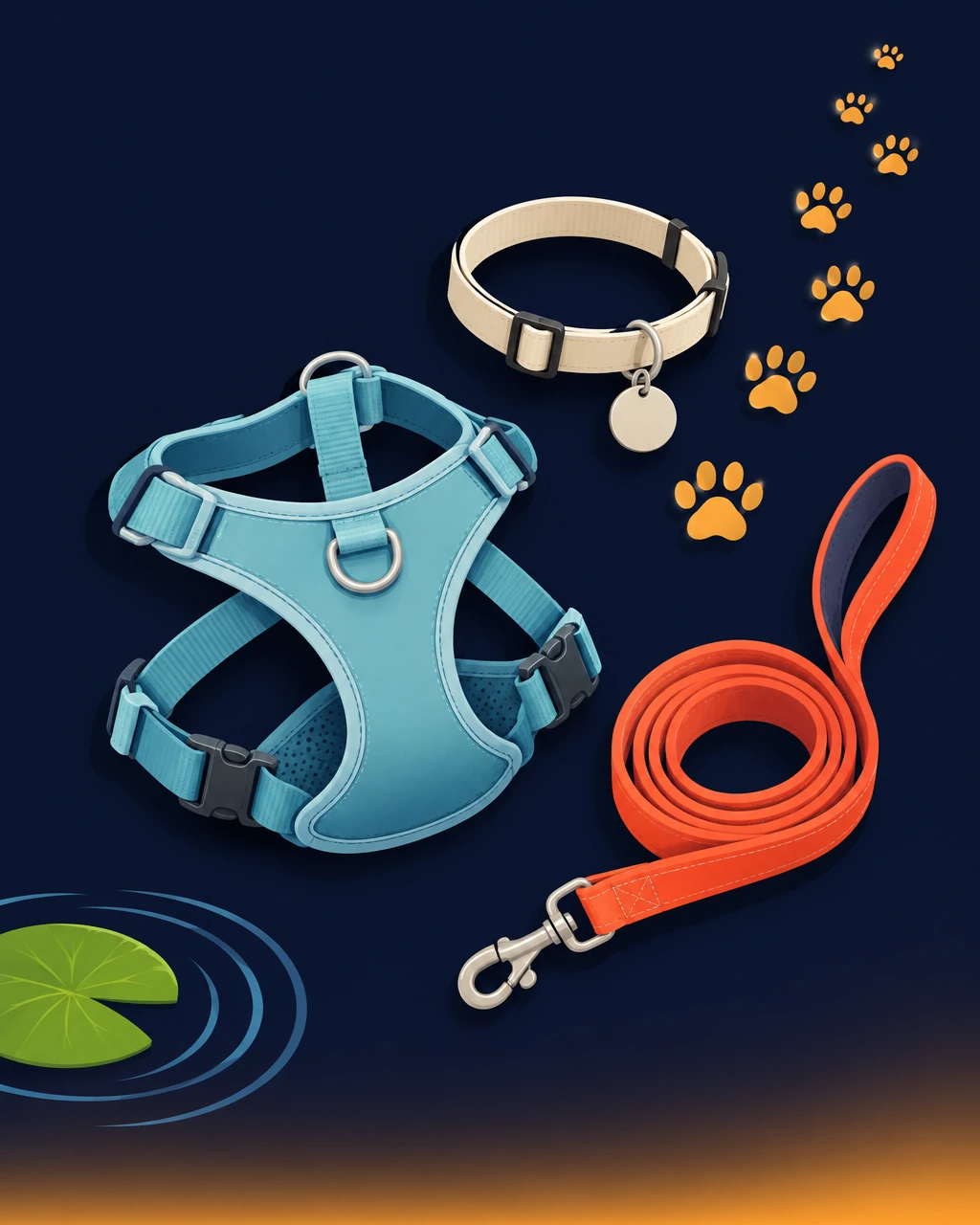
The law in England says a dog in a public place must wear a collar with a tag or plate showing its owner's name and address. Dogs Trust adds that this applies even if you walk your dog in a harness. A dog harness should fit so you can slide a finger between the strapping and your dog's body, without letting them wriggle out. Avoid designs with straps across the front of the shoulders, which can restrict natural movement.
Check the collar, harness and lead for wear and tear from time to time. Keep microchip details up to date too: dogs must be microchipped and registered by eight weeks old, and you're responsible for updating the record if you move.
By the numbers
If you remember nothing else, remember these four.
the most that treats should make up of your dog's daily food (PDSA, Dogs Trust)
what an adult dog normally eats each day (Dogs Trust)
the minimum most dogs need daily, unless your vet says otherwise (PDSA)
the age by which a dog must be microchipped and registered (GOV.UK)
Worth a call
We can talk through food, treats and gear, but we can't diagnose. Ring your vet if your dog:
If you're at all worried, ring. Your vet can also set a feeding and exercise plan for a dog who needs to lose weight.
Puppies usually have three or four small meals a day, dropping to two by around six months. Dogs Trust says adult dogs should normally be fed twice a day. Look for a complete food, weigh portions and adjust as your dog's body shape changes. Your vet is the best person to set an exact plan, especially for a dog who is gaining or losing weight.
Not automatically. Dogs Trust warns that bones can cause constipation, block the throat or gut, or even fatally pierce the gut. It advises asking your vet before offering any chew, and staying with your dog for the whole chewing session. Choose a chew that suits your dog's size, and count it towards their daily food.
A collar with an identity tag, even if you also use a harness. A harness should let you slide a finger between the strap and your dog's body, and your dog shouldn't be able to slip out of it. Keep the microchip details up to date, and check all your gear for wear and tear.
Dogs Trust and Blue Cross list chocolate, grapes, raisins, onions, garlic, leeks, chives, macadamia nuts, avocado and xylitol, and warn about alcohol and caffeine too. If your dog eats any of them, even a small amount, contact your vet straight away, and have the packaging to hand when you ring. Blue Cross says acting quickly is vital.
Natural dog treats are part of our range. Stock changes, so call or pop in to see what's in. Tell us your dog's age and size, and we'll talk through what suits them. As a guide, PDSA and Dogs Trust say treats should make up no more than 10% of your dog's daily food.
Keep exploring
How we can help
Tell us your dog's age, size and how you like to walk them, and have a chat with the team about food, treats, chews, toys and walking gear. We're open seven days a week: Monday to Saturday, 9:30am to 5:30pm, and Sunday, 10:00am to 4:00pm, on Tut Hill at Fornham All Saints in Suffolk, just off the A14.