Community fish
Easy-going fish that get along with most others, which makes them the usual base of a mixed tank. Popular examples: zebra danios, cherry barbs, dwarf gouramis. Danios and barbs shoal, so buy them in groups.

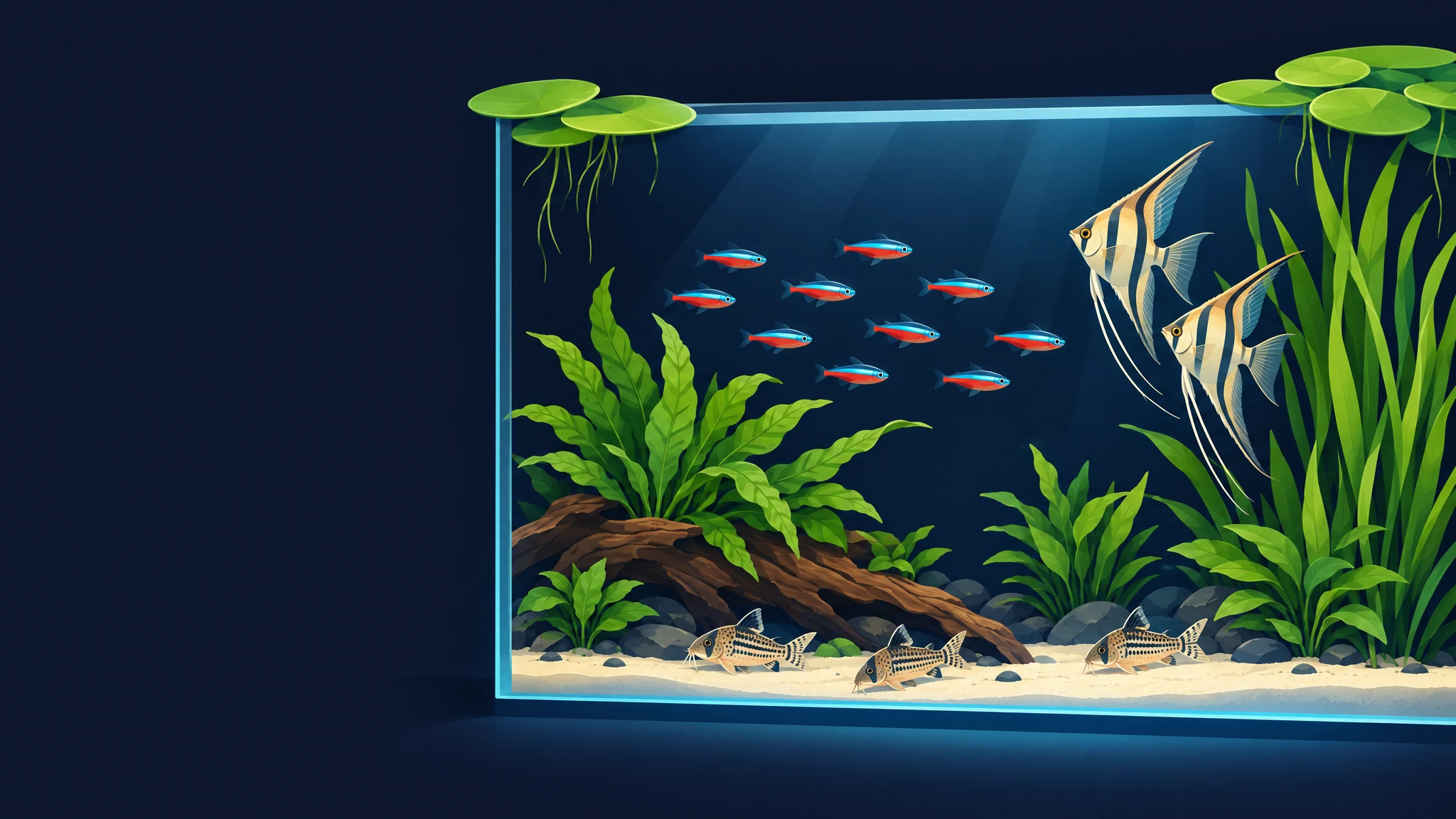
Colour, community and getting started right
Tropical fish and the aquarium kit to keep them, at our independent pet shop just off the A14 near Bury St Edmunds. Here is how to get a tank ready, choose fish that suit it and keep them well.
Fornham All Saints, just off the A14 near Bury St Edmunds. Open seven days.
In the shop
All in the shop at Fornham All Saints, with the team on hand to help you choose. We also offer water testing in the shop. Ask the team when you call or visit.
Our shelves carry Juwel, Fluval, Eheim, JBL and Tetra, alongside Hikari, Seachem, API, NT Labs, Aqua One and Oase.











The basics
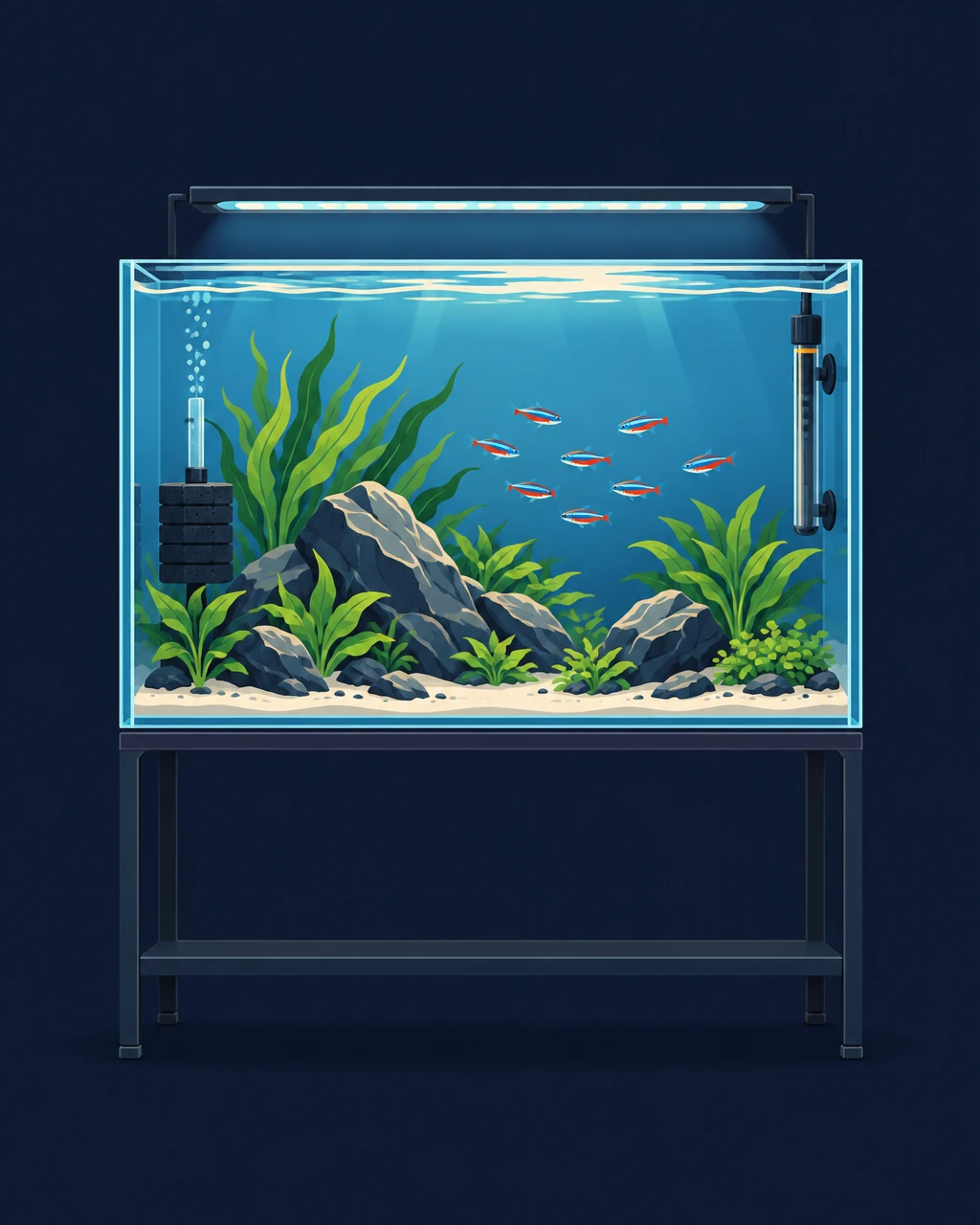
Plenty of fish trouble starts before the fish arrive. A tank needs a filter that has had time to settle, a heater you trust and tap water treated for chlorine. The fish are guests. They go in last.
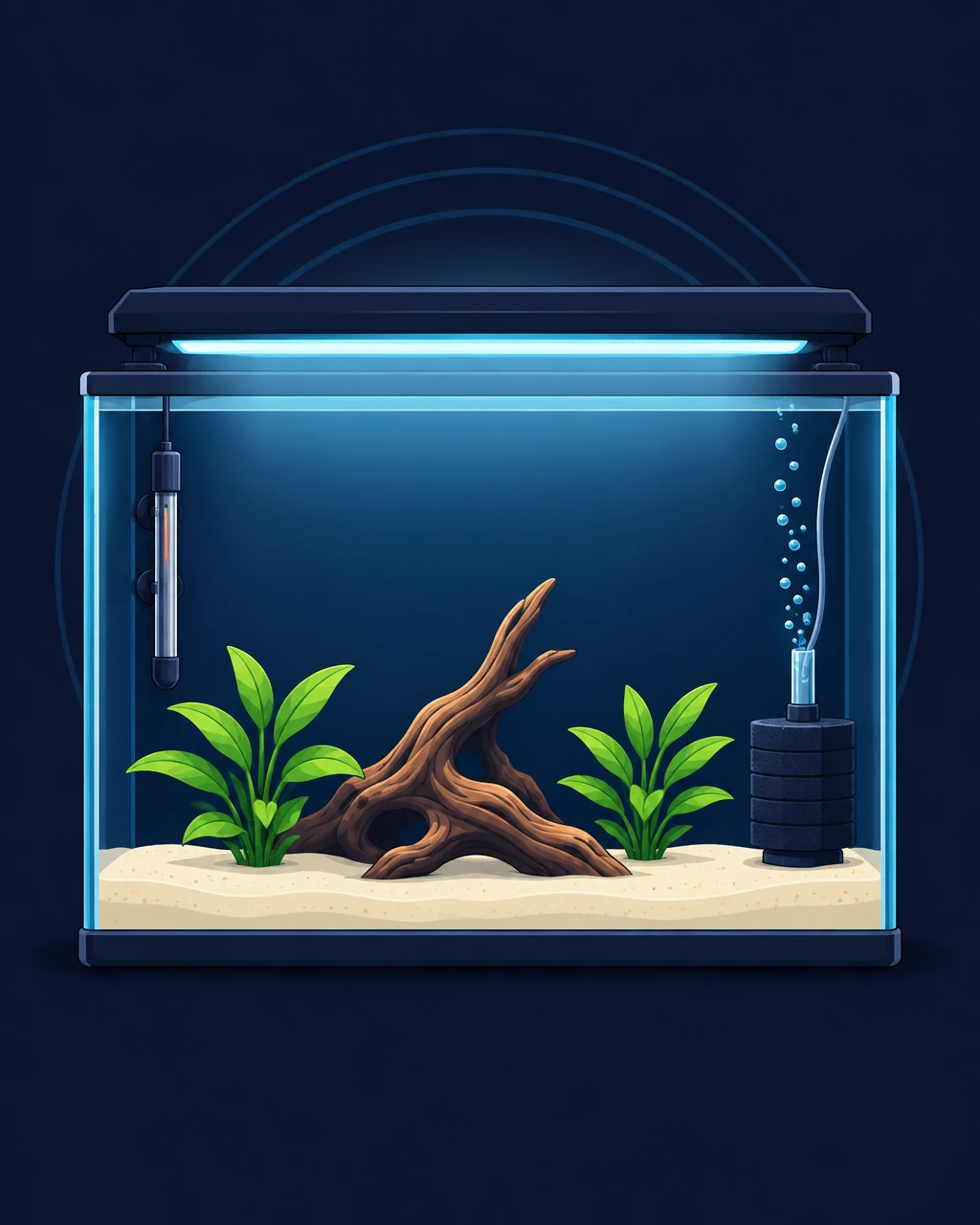
The RSPCA's advice is to cycle a new tank before adding any fish, and to treat tap water because chlorine is dangerous to fish and filter bacteria alike. Pick the tank first, because its size decides which fish are fair to keep. The RSPCA puts the floor at a tank larger than about 40 litres, and bigger is easier: more water dilutes waste and keeps conditions steadier. The kit is covered on our aquariums and equipment page.
That order feels slow when you are excited. It is still the right order.
The range
Here are the main groups, with some popular examples. Match the fish to the tank, not the other way round, because temperature, water and temperament all vary from group to group.
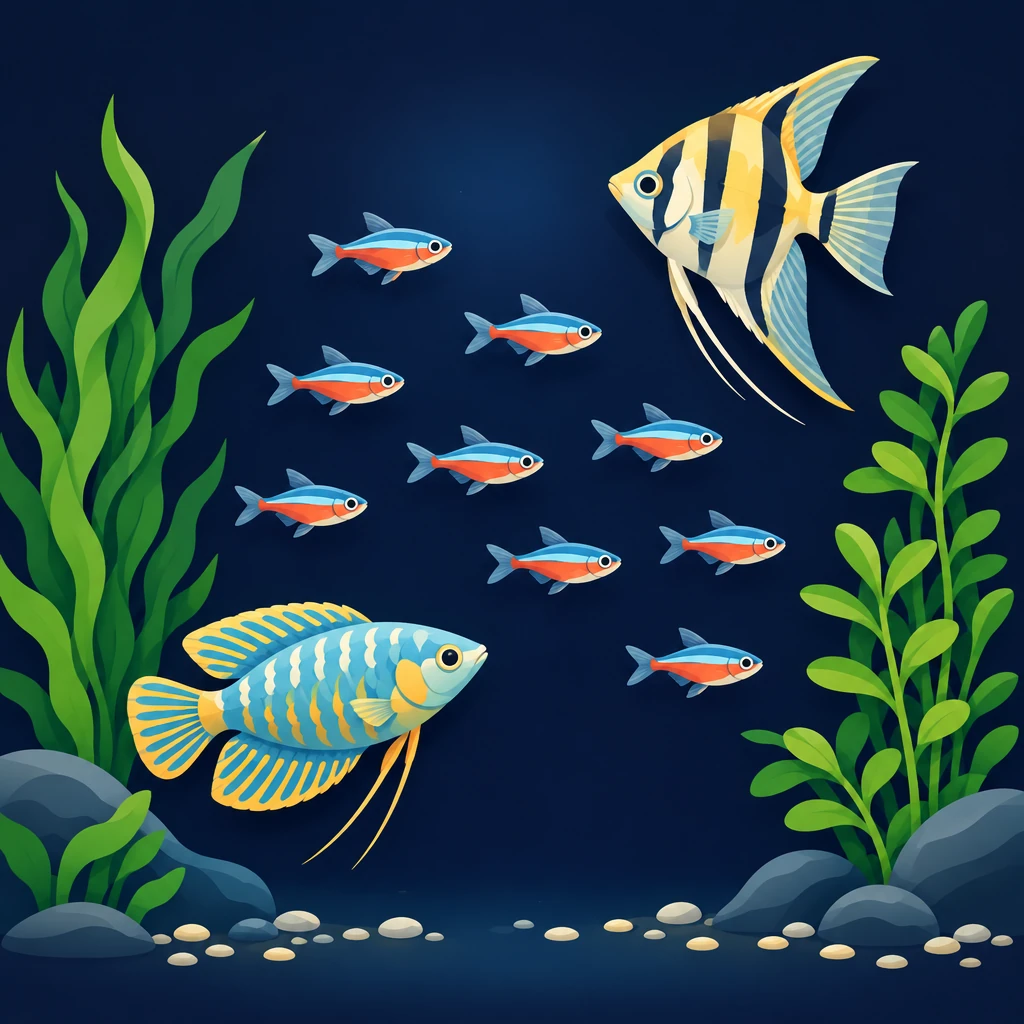
Easy-going fish that get along with most others, which makes them the usual base of a mixed tank. Popular examples: zebra danios, cherry barbs, dwarf gouramis. Danios and barbs shoal, so buy them in groups.
Guppies, platies, mollies and swordtails are lively and colourful, and they give birth to live young. They breed readily, so ask us about male to female ratios first.
Small, bright shoalers such as neon tetras, cardinal tetras and harlequin rasboras. They look best in groups of six or more.
Corydoras are sociable bottom-dwellers that suit sand, which protects their whiskers, and company. A common pleco can reach around 50cm, while a bristlenose stays far smaller, so ask before you fall for one.
Rams and kribensis do best as a single pair among non-cichlid tankmates. Malawi cichlids want hard, alkaline water, and mixing different cichlid types can end in aggression.
Angelfish can top 15cm tall, so the tank needs height, and a breeding pair can turn on smaller tankmates. Bettas want calm, warm water and no fin-nipping tankmates, and two males will fight, so keep one to a tank.
Cherry shrimp and nerite snails graze and tidy, and nerites are a favourite algae eater. Shrimp prefer a mature tank, and most fish will eat their babies.
Stock changes, so call or pop in to see what's in. If we haven't got what you're after, ask. We can order it in, take your number and call you when it's here, or suggest something similar.
Step by step
Your filter is home to bacteria that keep the water safe. Growing them is called cycling, and a fishless cycle generally takes four to six weeks. You can start it before a single fish is bought, which is exactly what the RSPCA recommends.
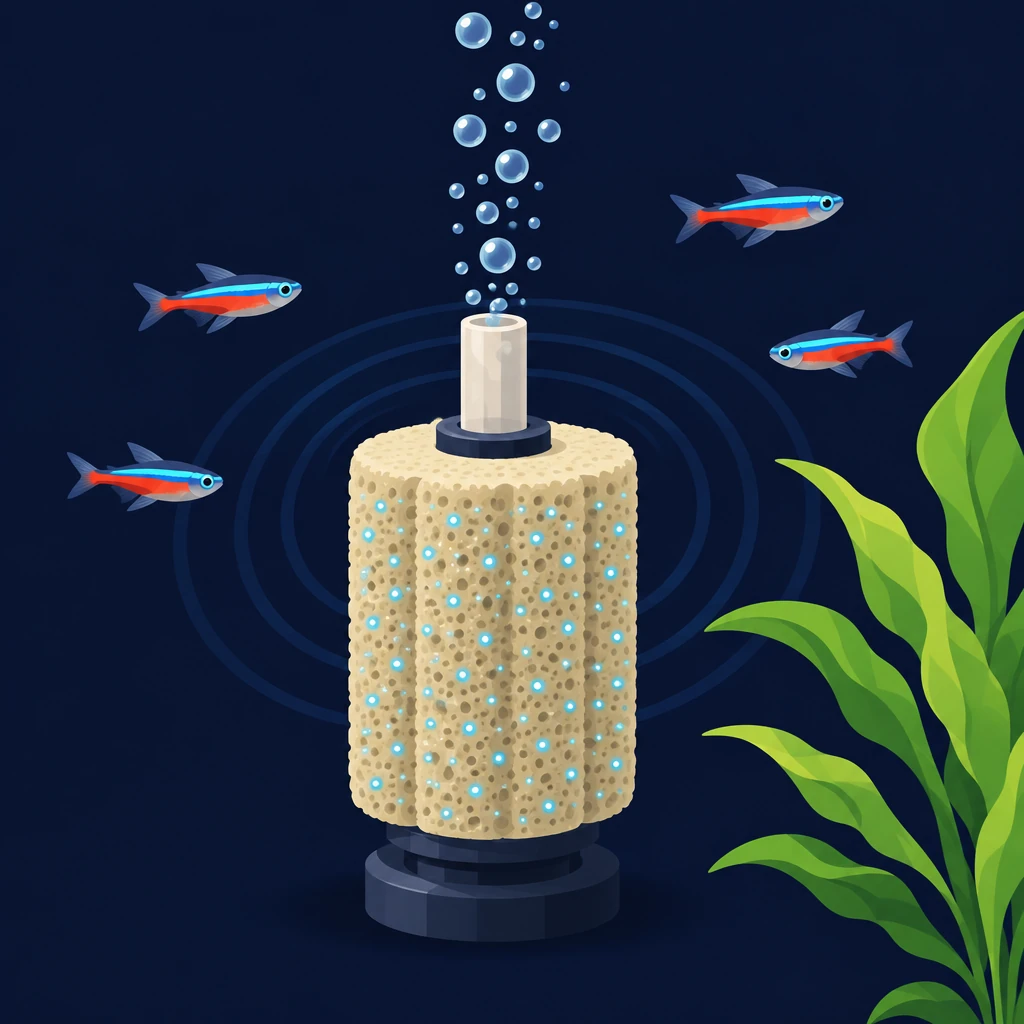
Fish waste, spare food and rotting plant matter all make ammonia, which is toxic to fish. In a fishless cycle you add a source yourself.
Nitrite is toxic too, so ammonia falls as nitrite climbs.
Nitrate is far less harmful, but it builds up.
The RSPCA calls ammonia and nitrite test kits essential, not optional extras.
No bacteria in an ordinary filter remove it, so partial water changes and plants do that job.
A few at a time, and rinse filter media in old tank water, never tap water, or you will wipe out the bacteria you have grown.
Good to know
Live plants use up nitrate and compete with algae for light and nutrients. They also give shy fish somewhere to hide.
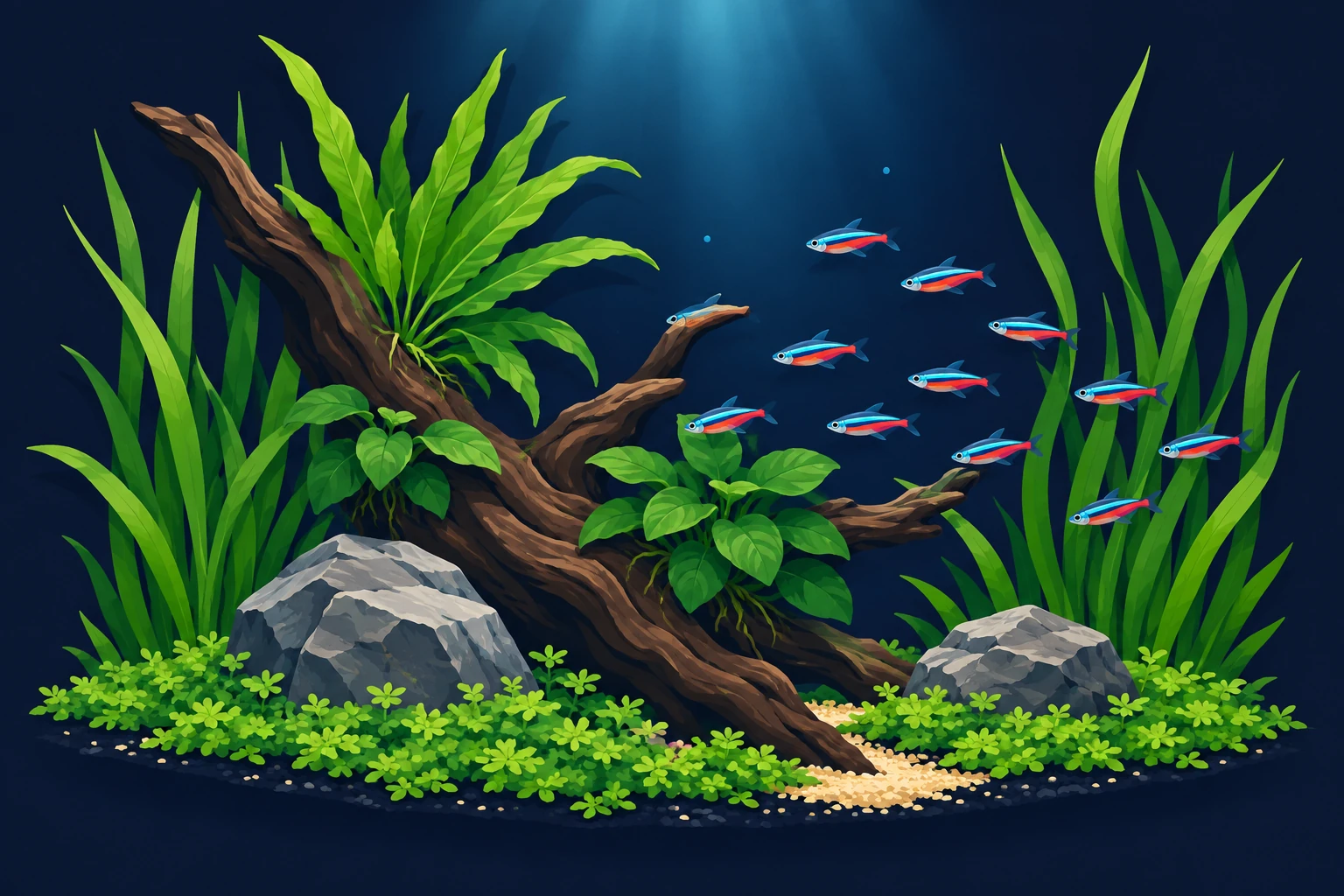
Good first choices are Java fern and anubias (fix them to wood or rock and never bury the rhizome), cryptocoryne, Java moss and tall vallisneria for the back. Put tall plants behind, low ones in front, and leave open water for swimming.
Wood and rock are the bones of an aquascape. New bogwood can tint the water tea-brown with tannins until it has soaked, and limestone or other calcareous rock can raise hardness, which suits some fish and not others. Ask us before you commit to a rock.
Keep the light on a timer. Algae comes from light plus nutrients, so a tank with plenty of healthy plants and a steady routine is the easiest to keep clear.
At a glance
The old one-inch-per-gallon rule only works for small fish, and a UK gallon is not a US gallon. The RSPCA offers a better starting point: allow 1.5 to 2 litres of water for every centimetre of fish, not counting tails. Use adult length, because most fish are sold small and can double or triple in size.
| Tank volume | Total adult fish length at 1.5 to 2 litres per cm |
|---|---|
| 40 litres | about 20 to 27cm |
| 60 litres | 30 to 40cm |
| 100 litres | 50 to 67cm |
| 200 litres | 100 to 133cm |
Ten 5cm fish add up to 50cm, so they want between 75 and 100 litres. Treat the table as a ceiling, not a target. It ignores temperament and bulky bodies, so add fish a few at a time.
Worth a call
We would rather you got it right than got it home quickly. Tell the team what tank you have, how long it has been running and what already lives in it, and we can talk through what suits.
For every species you fancy, check four things first: adult size, temperature range, whether it shoals and who it can live with. Think about lifespan too. Small tetras and guppies often live two to five years, angelfish five to ten, and some catfish and plecos 20 or more. Goldfish are coldwater fish, so they do not belong in a heated tropical tank; our koi and coldwater fish page covers them. Curious about saltwater? Read about marine fish first. And if a fish ever looks unwell, a vet or fish health specialist is the right person to ask.
A fishless cycle generally takes four to six weeks. The RSPCA says at least two weeks, and advises adding fish only once ammonia and nitrite have spiked and returned to zero. Test every other day while you wait, then add a few fish at a time. If you are not sure the tank is ready, ask us.
Hardy, peaceful shoalers are the usual advice: tetras and rasboras in groups of six or more, corydoras on sand, and livebearers such as platies. Livebearers breed readily, so talk to us about numbers. Check adult size and temperature for every species, and remember that stock changes, so call or pop in and ask what suits your tank.
The RSPCA says danios, tetras, rasboras and many catfish are shoaling fish and should be kept in groups of six or more, or they may feel stressed. Some species prefer groups of six to ten. Count the whole shoal when you work out how many fish your tank can hold.
Not happily. Goldfish are coldwater fish, and the RSPCA gives them around 10 to 21°C, usually without a heater, and some pass 30cm. Most tropical fish are kept warmer, so neither group gets the water it needs. Keep them apart, and ask us what goldfish do need in a tank or a pond.
Sometimes. Almost all fish will eat baby shrimp, though peaceful small species can share a tank with adults. Shrimp settle best in a mature tank, and copper, found in some fish medicines, is highly toxic to invertebrates, snails included, so read every label. Ask us about tankmates before you buy.
Stock changes, so the quickest way to find out is to call 01284 703418 or pop in. We're open seven days a week. Tell us your tank's size, how long it has been running and what already lives in it, and we'll talk through which fish would suit it.
Keep exploring
How we can help
Bring your tank's size and a note of what already lives in it, and we'll talk through fish that suit. We are open seven days a week at Tut Hill, Fornham All Saints, just off the A14. Check opening hours and directions before you set off, and find more answers on our FAQ page.