Up to 75cm
adult length the Ornamental Aquatic Trade Association (OATA) gives for koi
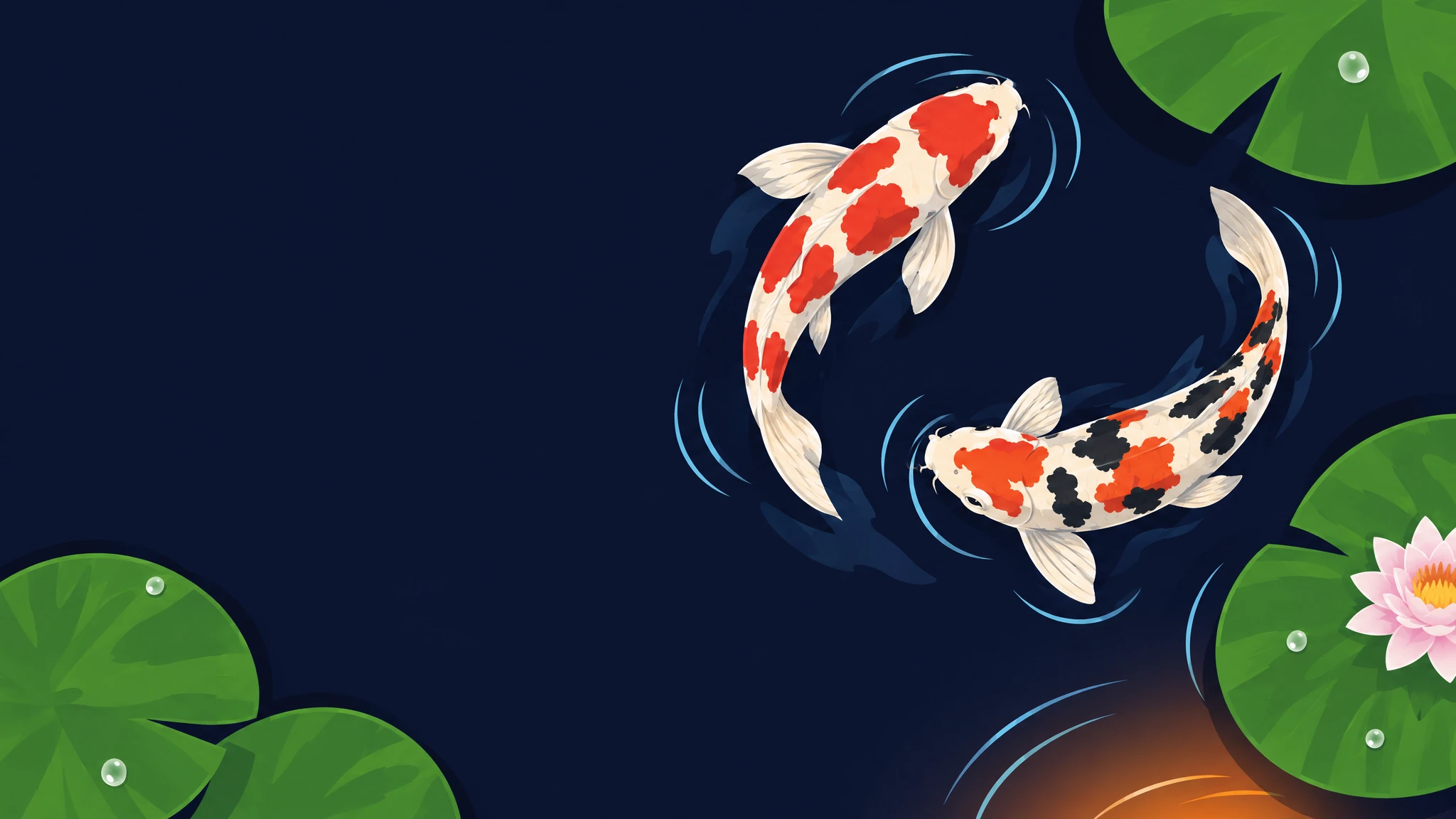
From goldfish to koi, and the pond they need
Koi specialists near Bury St Edmunds, with goldfish and other coldwater fish for smaller ponds. A small koi can reach 60cm or more and live for decades, so bring your pond's measurements and we'll talk through what suits.
Fornham All Saints, just off the A14 near Bury St Edmunds. Open seven days.
In the shop
All in the shop at Fornham All Saints, with the team on hand to help you choose. We also offer water testing in the shop. Ask the team when you call or visit.
For koi and pond keepers we stock Kockney Koi, Cloverleaf, Bermuda and Evolution Aqua, with Hikari food and NT Labs treatments alongside.








The basics
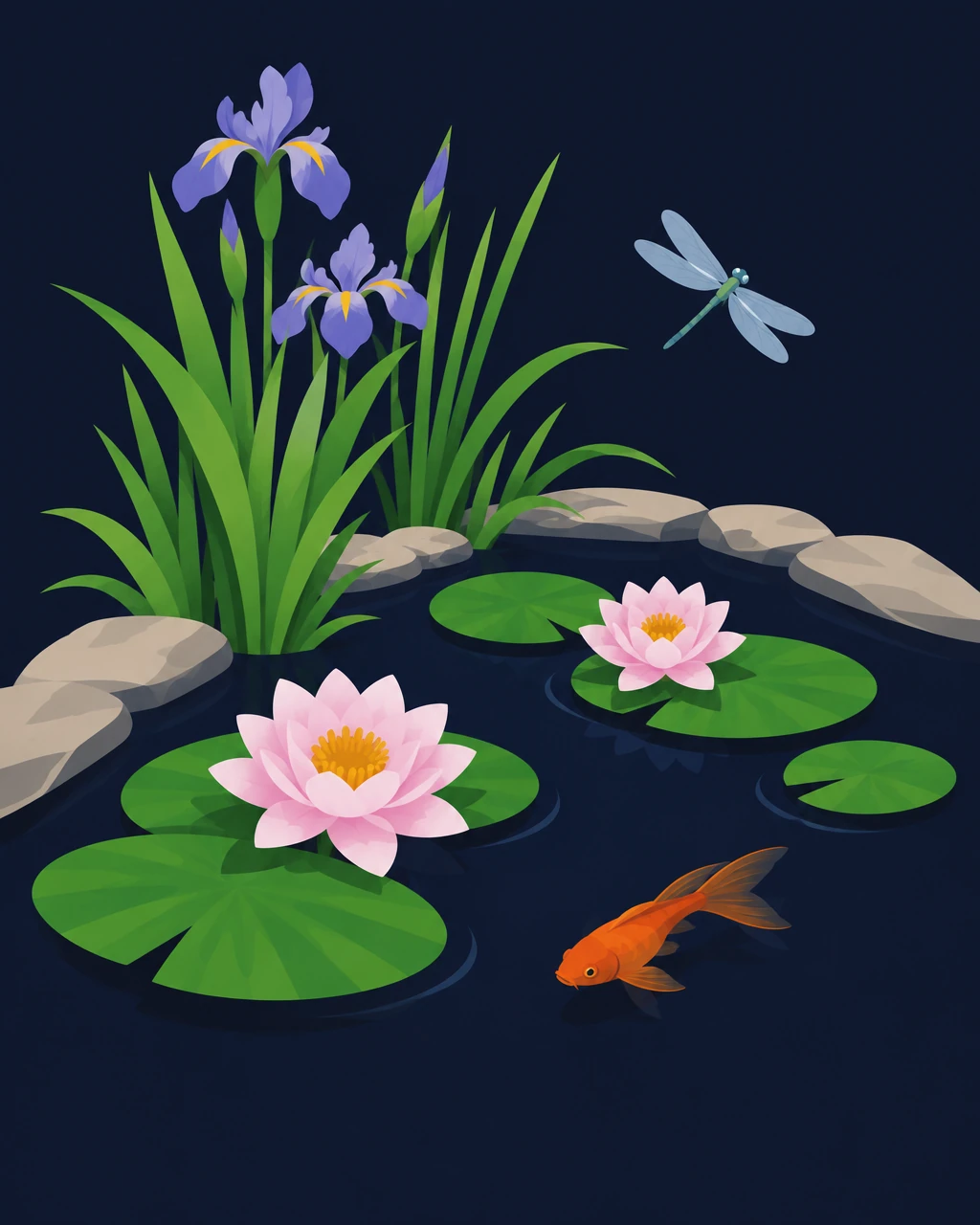
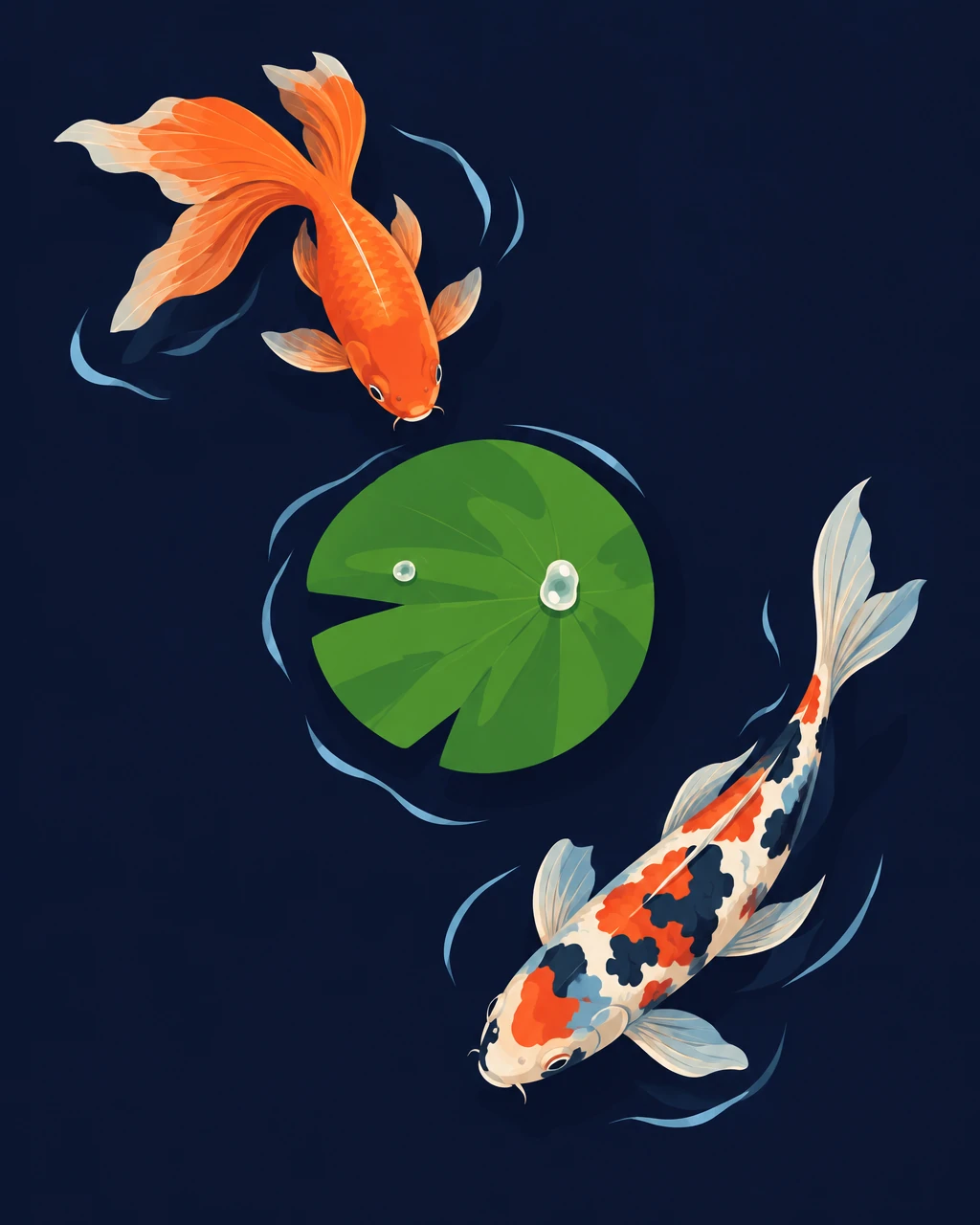
Goldfish are the classic pond starter: hardy, colourful and long-lived. The RSPCA says they are known to live for up to 25 years, and some grow past 30cm. Common goldfish, comets and shubunkins sit at the robust, easy-going end of the range.
Koi are the step up. They come in a huge spread of colours, from the red and white of a kohaku to the red, white and black of a sanke. They can pass 60cm, and they bring bigger commitments: a larger, deeper pond, stronger filtration and a proper quarantine routine.
Neither belongs in a bowl, and neither is a snap decision. Start with the pond you have, or plan to build, and choose fish to fit it. Pond kit is covered on our pond supplies page.
By the numbers
Most koi in an average garden pond settle at around 60cm, but a few go much bigger. Every one of them was small when you bought it.
adult length the Ornamental Aquatic Trade Association (OATA) gives for koi
a typical koi lifespan, and some live far longer
the pond size OATA gives for koi
the depth OATA prefers for koi, against 45 to 60cm as the minimum for pond fish
Good to know
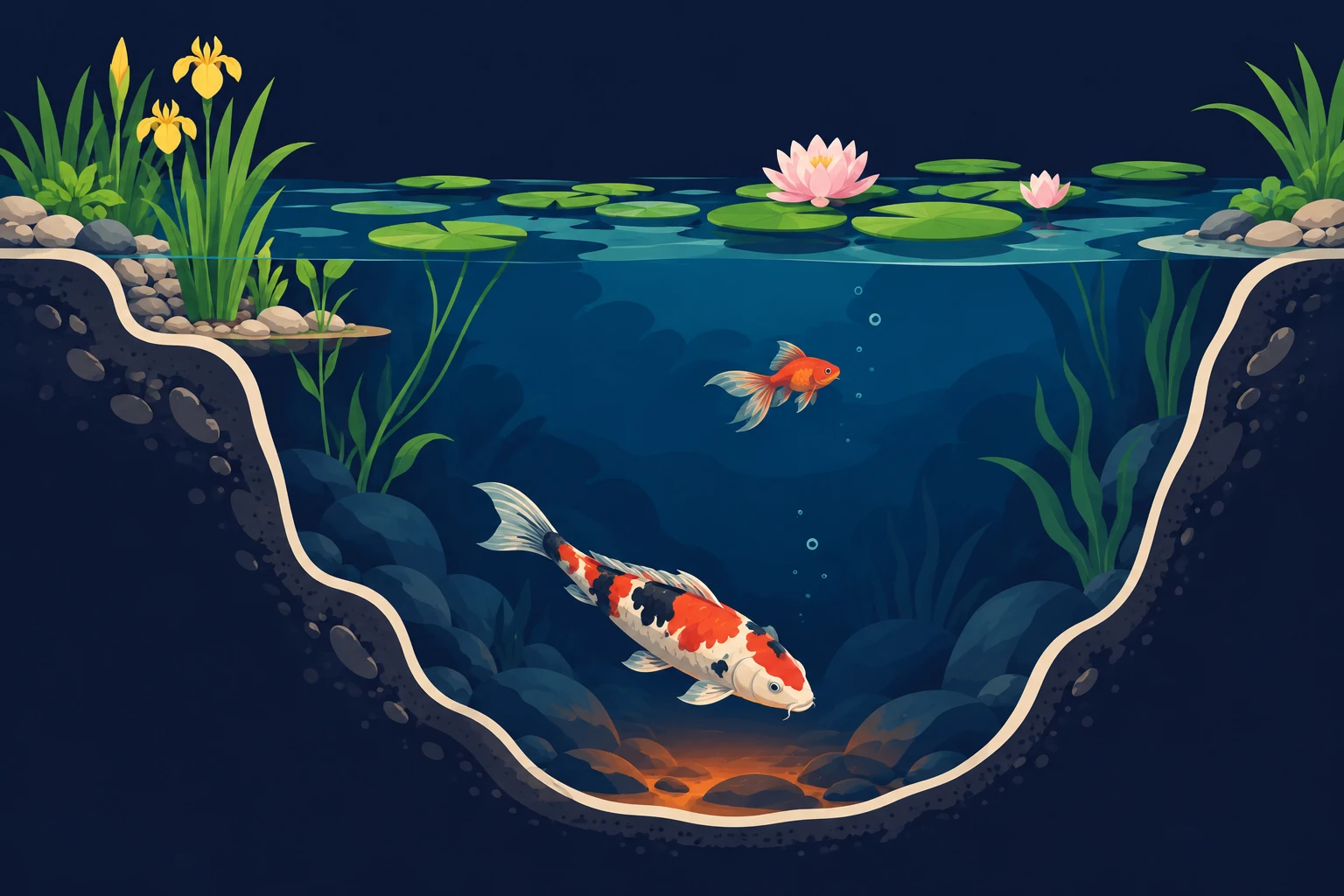
OATA suggests a pond of 4,500 litres or more for koi, and a depth of preferably over 90cm. Depth matters in our climate: 91 to 122cm (3 to 4 feet) is often given as the sweet spot, and one koi organisation says ponds shallower than 50cm should not hold koi at all.
Stocking is where rules of thumb earn their keep. Two are widely quoted: roughly one koi per 1,000 litres, and no more than 60cm of fish body length, tail excluded, per square metre of surface. They are guides, not licences. Koi keep growing, and your filtration and water changes matter as much as volume.
If you are unsure, stock fewer fish and add them slowly. Adding fish later is easy. Fixing an overcrowded pond is not.
The range
Not every pond suits koi. Coldwater fish live happily in unheated water, but they still need space and depth. Here are popular examples, with the sizes and ponds they need. Stock changes, so call or pop in to see what's in. If we haven't got what you're after, we can order it in, take your number and call you when it's here, or suggest something similar.
Hardy and adaptable, growing to about 30cm. They suit smaller ponds than koi, as long as the pond is at least 45 to 60cm deep. A shubunkin is a goldfish variety with patchwork colouring.
Fast, surface-dwelling shoalers that can reach 75cm, so keep them in groups in a pond of 4,500 litres or more.
Tench can also reach 75cm and want the same 4,500 litres or more. Rudd are surface-dwelling shoalers that are unlikely to pass 40cm.
Twin-tailed types are slower and more delicate than the robust single-tailed kinds. The RSPCA warns against mixing them, because the slower fish miss out on food.
Adults can reach 200cm, though 100cm is likelier in a garden pond, and they need around 10,000 litres and a depth over 120cm. Not a casual choice.
Step by step
Ponds move with the seasons, and so should your routine.
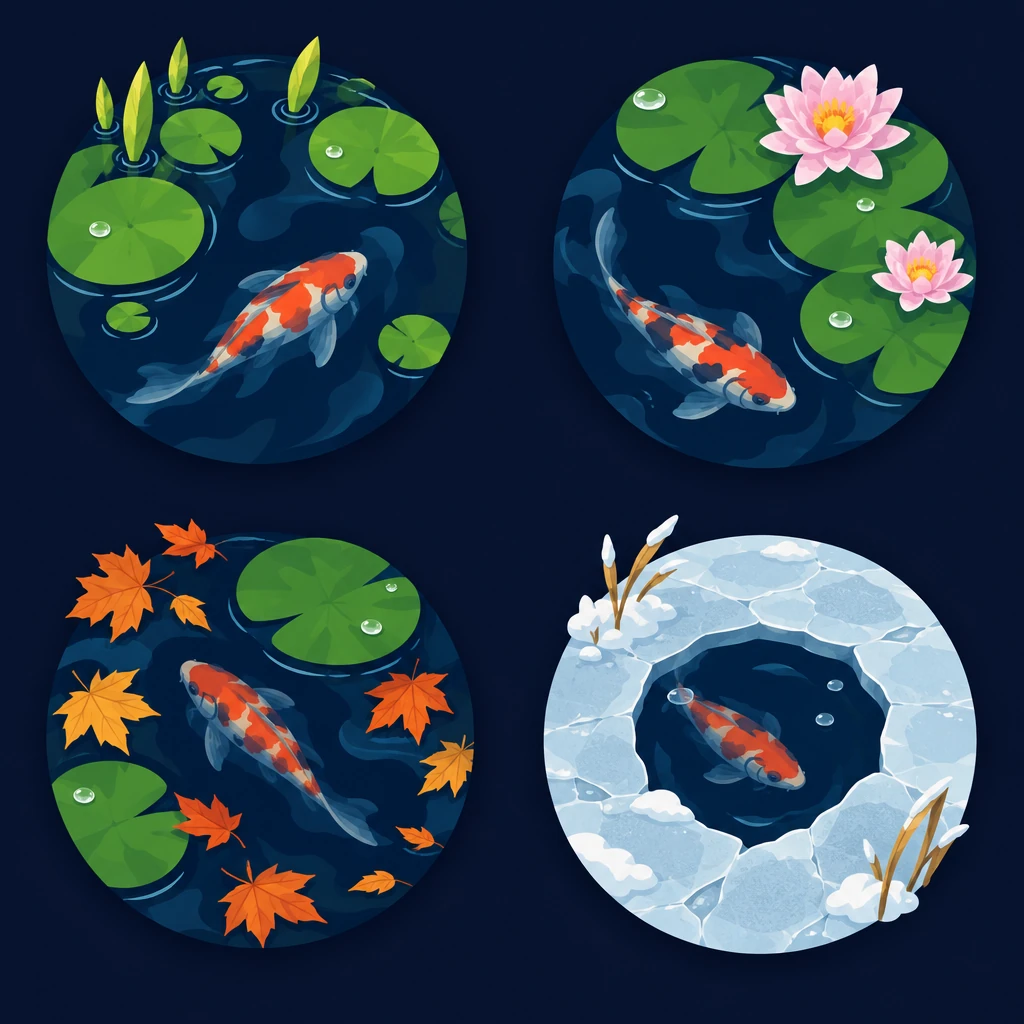
As the water warms, restart feeding gently with an easily digested wheatgerm food. Check the pump and filter, and be gentle when cleaning, because a filter's bacteria take around six weeks to build up. Add new plants once the water is warming, and quarantine any new fish first.
Warm water holds less oxygen, so run a fountain or aerator in hot, humid weather. Top up with rainwater where you can, because the nutrients in tap water feed algae. Feed a high-protein food, but only what the fish finish in a few minutes.
As the water cools, move to a lower-protein wheatgerm food. Lift fallen leaves and dying plant material, because it rots and releases toxic gas. A net over the pond makes this easier.
Feed less, then stop when it is properly cold. Keep a gap in the ice with a floating heater or de-icer, and never smash ice, which can harm fish. Melt a hole with a pan of hot water instead.
At a glance
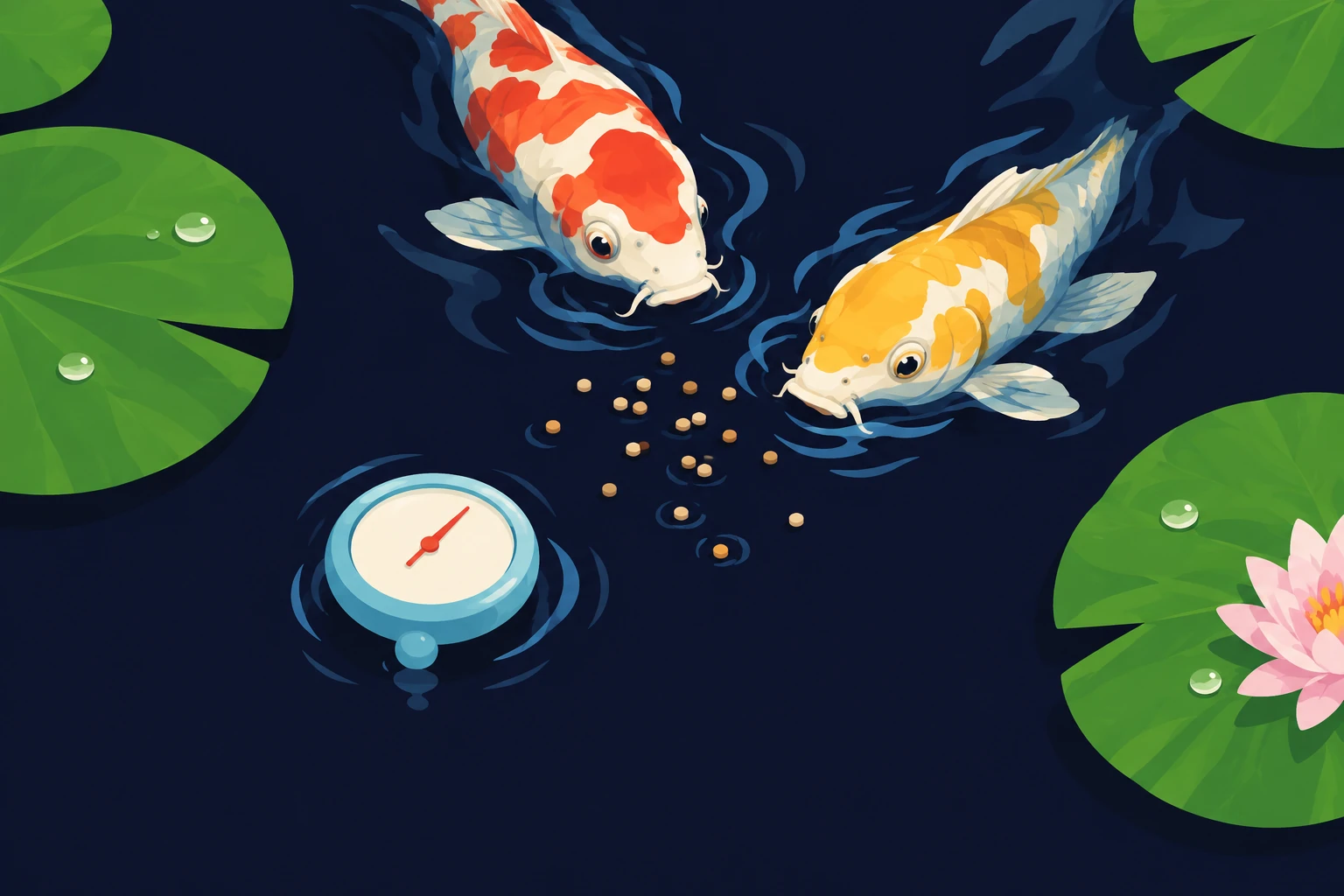
The right koi food changes with the water, because fish digest less as it cools. Sources differ a little on the cut-offs, so treat these as a guide, and if in doubt, hold off.
| Water temperature | What to feed | Notes |
|---|---|---|
| Above about 15°C | High-protein growth food | Only what they finish in a few minutes |
| 10 to 15°C | Staple food, moving towards wheatgerm | Feed less as it cools |
| About 4 to 10°C | Wheatgerm-style food in small amounts | Easily digested when fish are sluggish |
| Below about 4 to 8°C | Stop feeding | Cut-offs differ, so use a thermometer and be cautious |
Worth a call
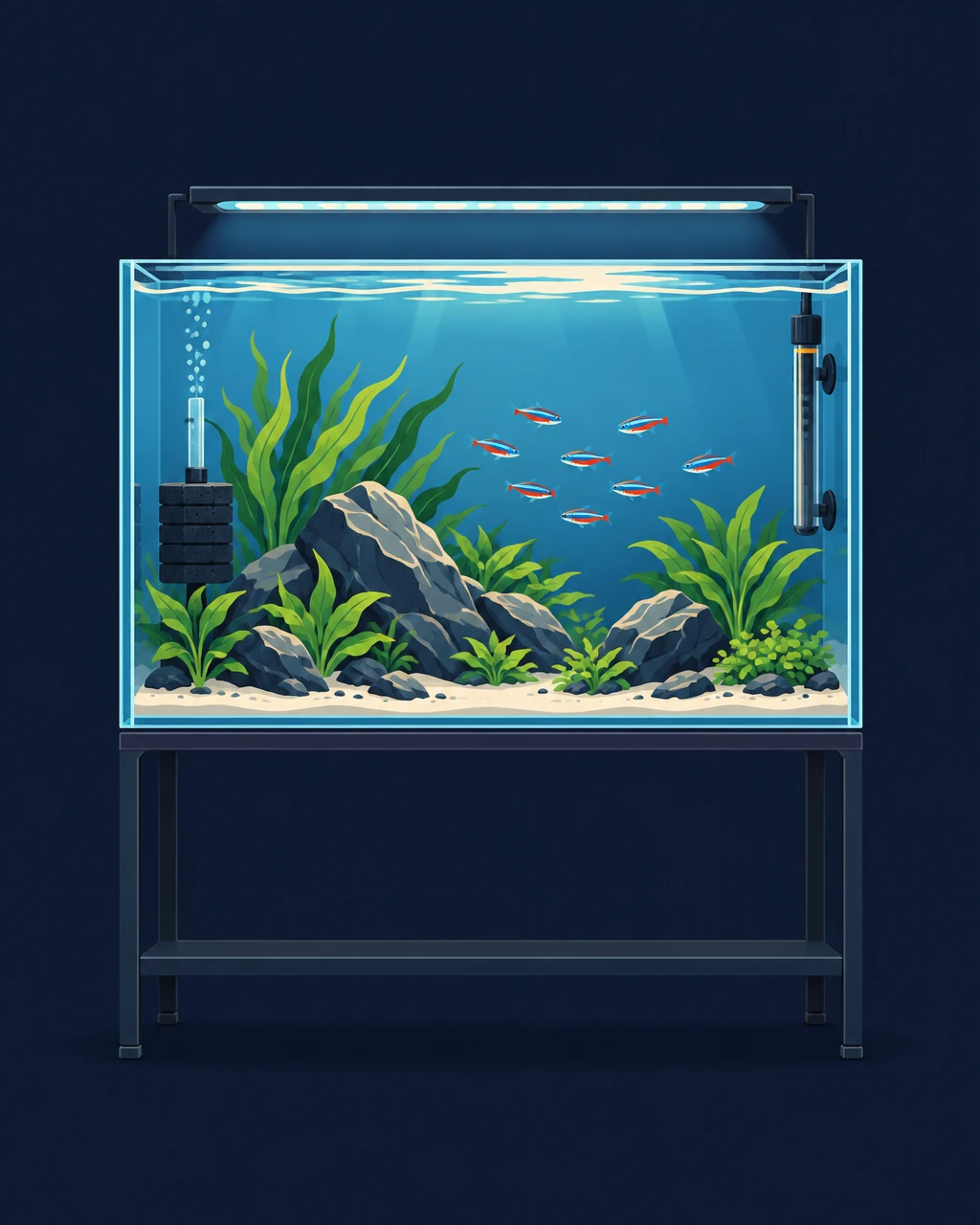
Ornamental fish can carry disease and parasites, which is one reason the Environment Agency warns against releasing them into the wild. The same risk applies to your own pond. Keep new fish in a separate tank for four to six weeks before they meet the rest. The kit for a spare tank is on our aquariums and equipment page.
When they go in, float the bag for about ten minutes, add pond water gradually and net the fish out rather than tipping the bag water in. If a fish looks unwell, talk to a vet or a koi health specialist.
Tell us your pond's size, depth and what already lives in it, and we can talk through what to add.
Yes. We specialise in koi, and stock goldfish and other coldwater fish for garden ponds too. Stock changes, so call 01284 703418 or pop in to see what's in. Bring your pond's length, width and depth and a note of what already lives in it, and we'll talk through what suits.
OATA gives 4,500 litres or more, with a depth of preferably over 90cm, and one koi organisation says ponds shallower than 50cm should not hold koi. Goldfish suit smaller ponds, though they still want at least 45 to 60cm of depth to keep the temperature steadier. Tell us your pond's length, width and depth and we will talk it through.
Koi commonly live 25 to 35 years, and some live far longer. Goldfish can live at least 15 years, and the RSPCA says up to 25. Hardy single-tailed goldfish tend to be the easiest to keep, while fancy types are more delicate. Both are long commitments, so plan the pond first and choose the fish second.
As the water cools, switch to a wheatgerm-style food. Sources put the point where you stop altogether somewhere between about 4°C and 8°C, so if in doubt, hold off. Feed only what the fish finish in a few minutes, and use a thermometer rather than guessing. In spring, restart gently with wheatgerm once the water warms.
Four to six weeks in a separate tank is the usual advice for koi. Watch them closely, keep the water clean and, if anything looks wrong, speak to a vet or koi health specialist before treating. Only then add them to the pond, slowly, so the filter can keep up.
No. Putting fish into rivers, lakes or other wild waters without Environment Agency permission is against the law, and ornamental fish can carry disease and parasites that harm wild fish. Rehoming is the right route, and it is one more reason to think about adult size before you buy.
Keep exploring
How we can help
Call 01284 703418 or pop in with your pond's length, width and depth, and a note of what lives in it, and we will talk through what suits. We are open seven days a week at Tut Hill, Fornham All Saints, just off the A14. Prefer fish indoors? Have a look at tropical fish. Check our opening hours and directions before you set off, and find more answers on our FAQ page.